Modern Postcard Concepts for Professional and Creative Use
In today's digital age, the traditional postcard has evolved into a powerful tool for personal branding, marketing, and creative expression. Modern postcard concepts combine aesthetic design with practical functionality, offering a unique way to make an impression. Whether you're a fashion designer, photographer, or business professional, a well-designed postcard can serve as a versatile medium for communication and promotion.
Postcards are more than just a means of sending messages; they are visual statements that reflect your identity and values. With the right design, a postcard can capture attention, convey a message, and leave a lasting impression. The modern postcard concept emphasizes clean layouts, professional aesthetics, and ease of use, making it an ideal choice for a variety of applications.
Challenges and Needs in Postcard Design
Creating an effective postcard involves more than just choosing a template. It requires understanding the purpose of the card, the target audience, and the desired outcome. Many individuals and businesses struggle with finding the right balance between creativity and clarity, ensuring that the design is both visually appealing and easy to read.
Another common challenge is the technical aspect of design. Ensuring the correct dimensions, color profiles, and file formats can be daunting for those unfamiliar with graphic design software. Additionally, maintaining consistency across different platforms and print materials is essential for a cohesive brand image.
How Modern Postcard Templates Help
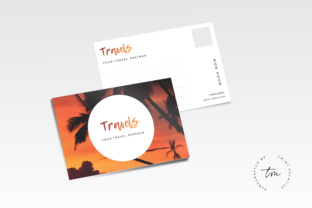
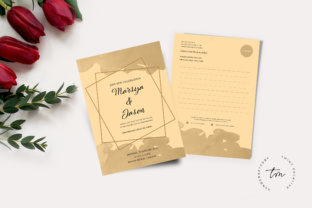
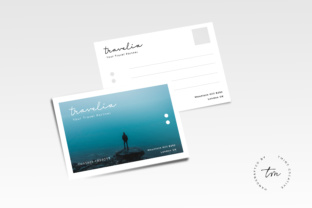
Modern postcard templates address these challenges by providing structured, editable designs that cater to various industries. These templates are available in front and rear landscape formats, allowing users to create a dynamic and engaging visual experience. The layout is designed to be professional yet flexible, making it suitable for fashion, photography, lifestyle, and corporate branding.
One of the key advantages of using a modern postcard template is the ability to easily customize content. Users can simply drop in their text, images, and logos without needing advanced design skills. This makes the postcard accessible to a wide range of users, from entrepreneurs to artists looking to enhance their presence.
Practical Applications of Postcards
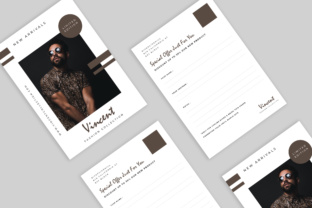
The versatility of postcards makes them ideal for multiple purposes. For personal branding, a postcard can serve as a professional introduction, showcasing your work and contact information in a visually appealing format. In the fashion industry, postcards can be used to promote collections, events, or collaborations, offering a tangible representation of your brand.
Photographers and lifestyle influencers often use postcards to share their latest work or experiences. A well-designed postcard can act as a mini portfolio, highlighting key pieces or moments in a concise and impactful way. For businesses, postcards can be used as part of a marketing strategy, including direct mail campaigns, event invitations, or client outreach.
Key Features of a High-Quality Postcard Template
A high-quality postcard template includes several essential features that ensure usability and professionalism. These include vector files in Adobe Illustrator (AI) and Encapsulated PostScript (EPS) formats, which allow for scalable and editable graphics. Additionally, a JPG preview ensures that users can quickly view the design before finalizing their work.
The template is designed with a standard size of 6x4 inches, making it compatible with most printing services. The CMYK color profile and 300 DPI resolution ensure that the printed result is vibrant and sharp, maintaining the integrity of the original design. Organized layers within the file make it easier to edit specific elements without disrupting the overall layout.
Most templates also include a Read Me file that lists the fonts used, helping users maintain consistency in typography. This feature is particularly useful for those who may not have access to the same font library as the designer.
Choosing the Right Tools for Design
To fully utilize a postcard template, it's important to have the right software. Adobe Photoshop CS 4 or a newer version is typically required to open and edit the files. While this may seem like a barrier for some, the benefits of using professional-grade tools far outweigh the initial learning curve.
For users who are new to graphic design, there are numerous online tutorials and resources that can help them get started. Understanding basic design principles, such as alignment, contrast, and hierarchy, can significantly improve the effectiveness of a postcard. Even small adjustments can make a big difference in how the final product is perceived.
Customizing Your Postcard for Different Uses
Each user may approach postcard design differently based on their goals and needs. A fashion brand might focus on bold visuals and minimal text, while a corporate entity may prioritize clarity and professionalism. The flexibility of a modern postcard template allows for these variations, ensuring that the design can be tailored to fit any scenario.
For instance, a photographer might use a postcard to showcase a series of images, while a business owner could use it to distribute contact information at networking events. The key is to align the design with the intended purpose, ensuring that the postcard serves its function effectively.
Conclusion: Elevate Your Brand with a Professional Postcard
Postcards remain a valuable tool in both digital and physical communication. By leveraging modern postcard concepts, users can create visually striking and functional designs that reflect their brand identity. With the right template, customization becomes effortless, allowing even those without extensive design experience to produce professional results.
Whether you're looking to enhance your personal brand, promote your work, or connect with clients, a well-crafted postcard can make a significant impact. By focusing on clarity, aesthetics, and usability, you can ensure that your postcard stands out and delivers the message you intend to convey.