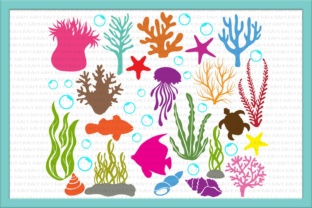
Under the Sea, Coral, Bubbles, Ocean Life, Sea Animals, Clipart, Seashells, Jellyfish, Algae, Paper Cut Template
Under the Sea, Coral, Bubbles, Ocean Life, Sea Animals, Clipart, Seashells, Jellyfish, Algae, and Paper Cut Templates offer a vibrant and creative way to bring the beauty of the ocean into your projects. Whether you're crafting, designing, or creating for commercial use, these elements can add depth, color, and life to your work. From intricate seashell patterns to whimsical jellyfish designs, the possibilities are endless.
Understanding the Value of Under the Sea Clipart and Templates
Under the Sea, Coral, Bubbles, Ocean Life, Sea Animals, Clipart, Seashells, Jellyfish, Algae, and Paper Cut Templates are more than just visual elements—they are tools that can enhance your creative process. These assets provide ready-made designs that can be used in various applications, such as iron-on transfers, embroidery, digital art, and printables. Their versatility makes them ideal for both beginners and professionals looking to streamline their workflow.
For instance, a paper cut template can serve as a guide for hand-cutting or laser cutting, while an SVG file allows for precise scaling without losing quality. These formats are essential when working with heat transfer materials, ensuring that your design remains sharp and clear on t-shirts, tote bags, or other fabric items.
Common Mistakes When Using Under the Sea Designs
Despite their usefulness, many people make mistakes when selecting or using Under the Sea, Coral, Bubbles, Ocean Life, Sea Animals, Clipart, Seashells, Jellyfish, Algae, and Paper Cut Templates. One common error is not checking the file format compatibility. For example, if you plan to use a design for embroidery, an EPS file is necessary, while PNG files are better suited for digital overlays or printables.
Another mistake is overlooking the resolution requirements. If you’re printing on fabric using heat transfer, it’s crucial to ensure that the image is high-resolution (300 DPI) and has a transparent background. A low-resolution image may appear blurry or pixelated, ruining the final result.
Additionally, some users fail to consider the scalability of the design. While vector files like SVG and DXF allow for unlimited resizing, raster files like PNG and JPG may lose quality when scaled up. Always verify that the file type supports your intended use.
Why File Format Matters in Your Projects
The choice of file format directly impacts the outcome of your project. For iron-on transfers, PNG files with a transparent background are ideal because they allow for clean, sharp images on fabric. JPG files, on the other hand, are best for high-resolution prints where a solid background is acceptable.
When working with embroidery machines, EPS files are preferred because they maintain clarity at any size and are compatible with most embroidery software. Similarly, SVG and DXF files are excellent for cutting programs, as they support precise, scalable designs for vinyl, paper, or fabric cutting.
It's also important to note that some templates may not include backgrounds or monogram fonts. Be sure to check the details before purchasing or downloading to avoid surprises later.
How to Choose the Right Design for Your Needs
To get the most out of Under the Sea, Coral, Bubbles, Ocean Life, Sea Animals, Clipart, Seashells, Jellyfish, Algae, and Paper Cut Templates, start by defining your project goals. Are you creating a printable art piece? Designing a custom t-shirt? Or planning an embroidery project? Each purpose requires different file types and specifications.
For example, if you're designing a printable poster, a high-resolution PNG with an 8.5 x 11 inch dimension would be suitable. If you're making a heat transfer for a shirt, ensure the image is 300 DPI and has a transparent background. Always review the file details and test the design at different sizes to confirm its quality.
Best Practices for Using Under the Sea Designs
Once you've selected the right files, follow these best practices to maximize their effectiveness:
- Check for watermarks: Ensure that the design does not contain any watermarks that could interfere with your final output.
- Verify transparency: For PNG files, confirm that the background is truly transparent and not a solid color.
- Test scalability: Resize the design to see how it looks at different sizes before finalizing your project.
- Review licensing: Make sure the files are licensed for your intended use, especially if you're planning to sell or distribute the final product.
Realistic Examples of Successful Projects
Many creators have successfully used Under the Sea, Coral, Bubbles, Ocean Life, Sea Animals, Clipart, Seashells, Jellyfish, Algae, and Paper Cut Templates in their work. For instance, a small business owner might use a jellyfish SVG file to create custom vinyl decals for a beach-themed shop. A teacher could download a seashell clipart set to design classroom decorations or printable worksheets.
Another example is a hobbyist who uses a paper cut template to create intricate ocean-themed wall art. By choosing the right file format and ensuring high resolution, they achieve professional-looking results without the need for complex design skills.
Final Tips for a Smooth Creative Process
Before you begin any project involving Under the Sea, Coral, Bubbles, Ocean Life, Sea Animals, Clipart, Seashells, Jellyfish, Algae, and Paper Cut Templates, take the time to review the file details, check for compatibility, and test the design. This proactive approach can save you time, money, and frustration in the long run.
By understanding the nuances of file formats, resolution requirements, and design scalability, you'll be better equipped to make informed decisions and produce high-quality results. Whether you're a beginner or an experienced creator, these tips will help you navigate the world of ocean-themed clipart and templates with confidence.