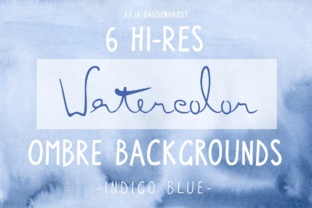
Watercolor Ombre Backgrounds Blue
Watercolor ombre backgrounds in blue offer a unique blend of artistic elegance and practical versatility. These handpainted textures bring a soft, flowing gradient to any design project, making them ideal for a wide range of creative applications. Whether you're working on invitations, greeting cards, or marketing materials, the subtle transitions of color add depth and sophistication without overwhelming the overall composition.
The set includes six distinct indigo blue watercolor ombre backgrounds, each with its own character and texture. These are not just generic patterns—they are carefully crafted to provide visual interest while maintaining a clean and professional appearance. The high-resolution JPG files, scanned at 600 dpi, ensure that your designs remain crisp and clear, even when printed at larger sizes. Each background measures approximately 18x28 cm (7x11 inches), giving you flexibility in how you use them across different formats.
Why Watercolor Ombre Backgrounds Matter
For designers, artists, and creatives, the right background can make a significant difference in the final outcome of a project. Watercolor ombre backgrounds in blue provide a natural, organic feel that complements both modern and traditional styles. They work especially well with calligraphy, where the soft gradients enhance the visual flow of handwritten text. Alternatively, they pair beautifully with simple sans serif fonts, offering a balanced and elegant look.
These backgrounds are more than just aesthetic elements—they serve functional purposes as well. By using a watercolor ombre, you can create a sense of movement and depth that static solid colors cannot achieve. This makes them particularly useful for presentations, where visual appeal can influence how your message is received. Additionally, their adaptability allows you to customize the color in Photoshop using the Hue/Saturation adjustment, ensuring they fit seamlessly into your existing brand palette or design concept.
Practical Benefits for Designers and Creators
One of the key advantages of these watercolor ombre backgrounds is their ease of use. With high-resolution files, you can resize them without losing quality, making them suitable for both digital and print projects. This flexibility saves time during the design process, as you don’t need to search for multiple background options. Instead, you can focus on refining other elements of your work, knowing that the background will complement your overall vision.
For small business owners and entrepreneurs, these backgrounds can elevate the professionalism of marketing materials. A wedding invitation, for example, benefits from the softness of an ombre background, which adds a touch of refinement without being too bold. Similarly, business cards with a watercolor ombre can stand out in a stack of standard designs, making your brand more memorable.
Scrapbookers and hobbyists also find value in these textures. The natural variation in each background adds a handmade feel that enhances the personal touch of a project. Whether you’re creating a memory album or a custom card, the watercolor effect brings a level of artistry that mass-produced graphics often lack.
Who Can Benefit Most?
These watercolor ombre backgrounds are particularly beneficial for those who work with visual storytelling. Wedding planners, graphic designers, and event coordinators often seek ways to add uniqueness to their materials. The indigo blue tones evoke a sense of calm and sophistication, making them ideal for formal events or minimalist designs.
Bloggers and content creators may also appreciate the versatility of these backgrounds. They can be used as website headers, social media posts, or promotional banners. The ability to adjust the color in Photoshop ensures that they align with your brand’s visual identity, whether you’re going for a bold statement or a subtle accent.
Additionally, educators and students involved in art or design courses can use these backgrounds as references or templates. They provide a real-world example of how watercolor techniques translate into digital design, offering valuable insights into texture, color blending, and composition.
Considerations and Recommendations
While these backgrounds are highly adaptable, it’s important to consider the context in which they’ll be used. For instance, if you’re designing for a corporate audience, a more subdued ombre might be preferable over a vibrant or intricate pattern. Similarly, if your project requires a high level of detail, you should ensure that the background doesn’t compete with other elements on the page.
If you’re looking for alternative options, similar sets are available in blush pink and ruby red. These variations offer different moods and aesthetics, allowing you to choose the one that best fits your project’s tone. However, it’s worth noting that the indigo blue version has a distinct character that sets it apart, making it a strong choice for those who want a timeless and versatile option.
When selecting a background, always test it in different formats and lighting conditions. What looks great on a screen may appear differently when printed. Printing at 600 dpi ensures clarity, but you should also check how the colors translate in physical form, especially if you’re using them for client-facing materials.
Final Thoughts
Watercolor ombre backgrounds in blue are more than just decorative elements—they are tools that can enhance the quality and impact of your design work. Their natural beauty, combined with practical features like high resolution and customizable color, makes them a valuable addition to any creative toolkit. Whether you’re working on a personal project or a professional assignment, these backgrounds offer a way to add depth, style, and personality to your visuals.
By incorporating these textures into your workflow, you can streamline your design process while achieving a polished and professional result. Their adaptability ensures that they remain relevant across various applications, making them a smart investment for anyone who values both aesthetics and functionality in their work.